
Caregivers & Age In Place Services
Helping Seniors Remain Safe, Independent, and Confident at Home
For many seniors, home is more than just a place to live. It represents independence, familiarity, memories, and comfort. As health needs change, however, remaining safely at home may require additional support. The challenge for many families is knowing which services they need, when they need them, and who to call first.
Seniornicity connects seniors and their families with trusted local professionals specializing in non-medical caregiving, companionship, home safety evaluations, accessibility modifications, and aging-in-place solutions. Whether your goal is to remain safely at home for months or many years, our professionals work together to reduce fall risks, improve accessibility, increase independence, and provide families with greater peace of mind.
Non-Medical Caregiver Agencies
Non-Medical Caregiver Agencies
Non-medical caregivers provide assistance with the activities of daily living that allow many seniors to remain safely in their own homes.
Services may include companionship, meal preparation, medication reminders, transportation, light housekeeping, bathing assistance, dressing, respite care for family caregivers, and ongoing support tailored to each senior's individual needs.
(Includes Companion Care, Personal Care, Respite Care & Daily Living Assistance.)
Home Safety Evaluations
Many falls and injuries can be prevented with a professional home safety evaluation. Home safety specialists assess the safety of the interior and exterior of the home. From clean air filters, smoke and carbon monoxide detectors to trip and fall hazards. They identify potential hazards and recommending practical improvements that increase safety, accessibility, and independence before accidents occur.
(Includes Fall Prevention, Home Safety Evaluations & Safety Planning.)
Accessibility Modifications
As mobility changes, small home improvements can make a significant difference in maintaining independence. Accessibility professionals evaluate the home and recommend solutions that improve safety, reduce fall risks, increase mobility, and make everyday activities easier while allowing seniors to continue living independently and comfortably in their own homes.
(Ex. Grab Bars, Railings, Ramps, Bathroom Safety, Stair Lifts, Lighting Improvements)
Aging in Place Planning
Successful aging in place often requires multiple professionals working together. Caregiver agencies, home safety specialists, accessibility professionals, financial advisors, property managers, and other Senior Transition Specialists collaborate to create personalized solutions that support each older adults' goals, lifestyle, safety, budget, and long-term desire to remain safely and independently at home.
(Coordinated Planning for Long-Term Independence.)
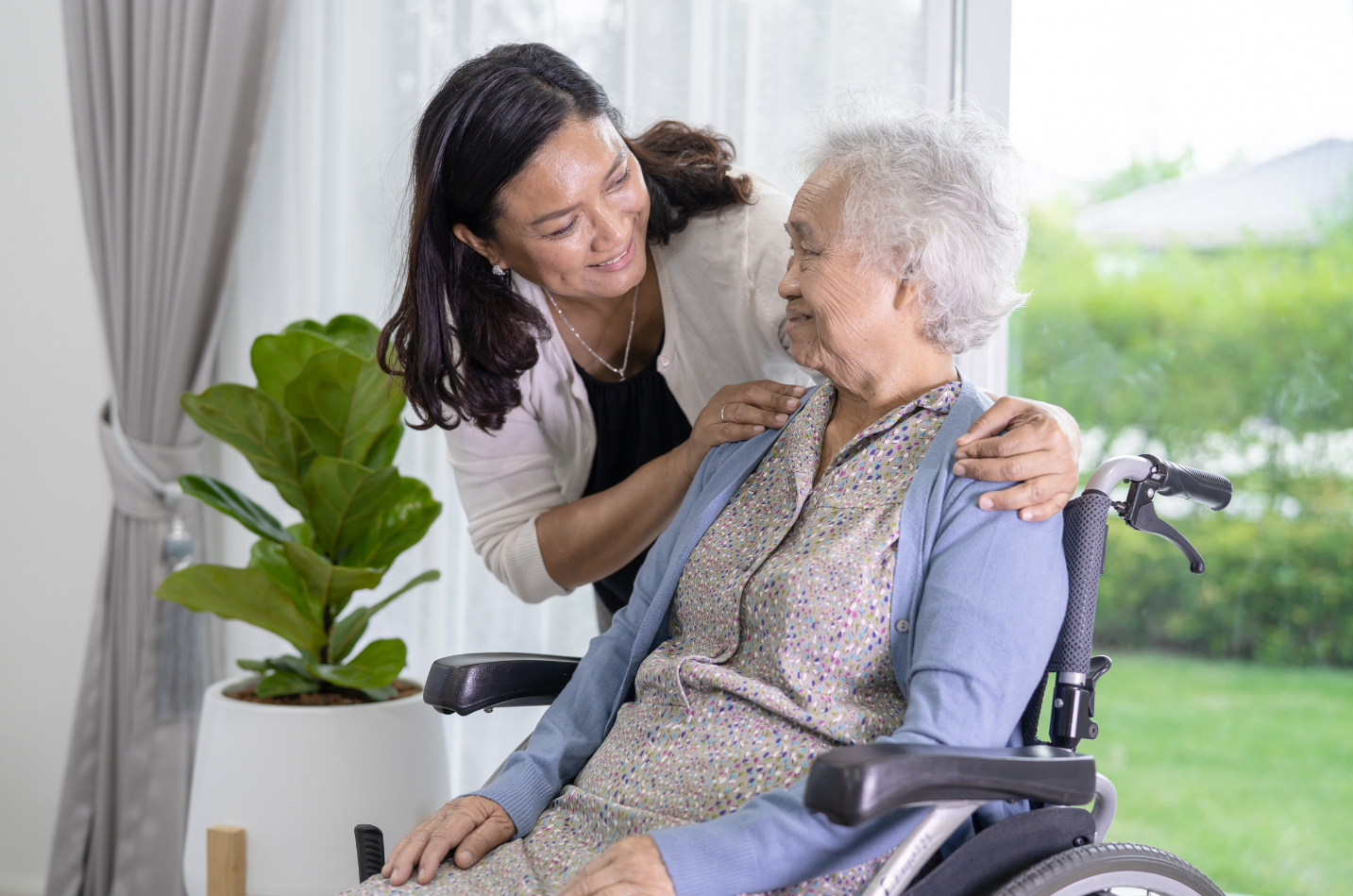
The Ability to Age in Place
Aging in place means remaining safely and independently in the home you love while maintaining the highest possible quality of life. Successful aging in place often requires more than hiring a caregiver. Home safety evaluations, accessibility modifications, companionship, and non-medical caregiving all work together to improve safety and independence.
Many families also wonder how to afford these services. Depending on your situation, a financial advisor or mortgage lender may help identify funding options, while Presence-Based Home Sharing (PBHS) may provide an opportunity to generate additional income by utilizing unused areas of the home through a qualified property management professional. This approach can not only help offset expenses but also reduce the anxiety of living alone while preserving the integrity of the home and allowing seniors to remain where they are most comfortable.
WHAT OUR CUSTOMER SAY
"When Mom started having difficulty getting around the house, we weren't sure where to begin. We thought hiring a caregiver was the only answer, but we quickly learned there was much more we could do to help her remain safely at home. Mom's neighbor referred us to the Seniornicity site and we connected with a caregiver agency, completed a home safety evaluation, and installed grab bars and other accessibility improvements. Those simple changes made an incredible difference. Mom has remained safely in the home she loves, and our entire family has peace of mind knowing she has the support she needs. "
"Dad fell and ended up in the hospital. Before he was discharged, we were told we really should have a home safety evaluation. We didn't even know that was a thing. The hospital gave us a referral, but the wait was several weeks. My sister searched online for a local home safety inspection company and found Seniornicity. We connected with AK@Home Safety, and they were able to come out the next day, before dad was scheduled to come home. They recommended a few simple improvements that made all the difference, and Dad was able to return home and we didn't have anxiety or fear leaving dad home alone. We're so grateful we found them."
"I can't thank the in-home caregiver enough for the incredible support they’ve provided for my dad. As a daughter, it was tough to see him struggle, but the caregiver has been a true lifesaver. They’re attentive, respectful, and genuinely care about my dad's well-being. It’s comforting to know he’s receiving personalized care in the familiar surroundings of home. The improvement in his mood and overall health has been remarkable. I wholeheartedly recommend this service to anyone seeking compassionate care for their loved ones!"
Senior Transition Specialists Solutions to Living Independently FAQs
Aging in place means remaining safely, comfortably, and independently in your own home as you grow older rather than moving to a senior living community. Depending on your needs, aging in place may involve non-medical caregiving, companionship, home safety evaluations, accessibility modifications, transportation services, or financial planning to help you remain safely at home. Planning ahead allows seniors and families to make informed decisions before a crisis occurs.
Many families wait until after a fall or medical emergency before considering caregiving services, but early support can help seniors remain independent longer. Non-medical caregivers assist with companionship, meal preparation, medication reminders, transportation, light housekeeping, bathing, dressing, and respite care for family caregivers. Even a few hours of assistance each week can improve safety, reduce isolation, and provide peace of mind for the entire family.
According to the CDC, falls are one of the leading causes of injury among older adults. A professional home safety evaluation identifies potential hazards before they become accidents and recommends practical improvements such as grab bars, railings, ramps, improved lighting, bathroom safety features, and other accessibility modifications. Many injuries can be prevented through simple changes that make the home safer while helping seniors remain independent.
Caregivers provide valuable support, but there are certain tasks they typically do not perform, including:
1. Medical Procedures: Caregivers are not licensed medical professionals, so they cannot perform medical tasks such as administering injections, IVs, or complex wound care.
2. Diagnosing Conditions: Caregivers are not qualified to diagnose medical conditions or make medical decisions; they should refer health concerns to a licensed healthcare provider.
3. Heavy Lifting or Physical Transfers: Caregivers may assist with mobility, but they should not engage in heavy lifting or transfers without proper training and equipment to prevent injury.
4. Household Chores Beyond Light Cleaning (in home caregiver): In-home caregivers usually handle light housekeeping tasks, such as dusting and laundry, but they typically do not perform deep cleaning or extensive home maintenance.
5. Personal Care for Non-Clients: Caregivers focus on the individual they are hired to assist and should not provide personal care services to other family members.
6. Driving for Extended Distances: While some caregivers may offer transportation for errands or appointments, they typically do not drive long distances or engage in driving for non-care-related purposes.
7. Managing Finances: Caregivers do not typically handle financial tasks, such as managing bank accounts or paying bills, unless specifically authorized and trained to do so.
Recognizing these limitations enables families to set realistic expectations and ensure their loved ones receive the best possible care. Since caregivers offer varying levels of support, it's essential to research and understand your specific needs to find the ideal caregiver who can provide the right fit for your family.